Ultramarathon Hydration Packs Under Fire: Desert Lab Sweats and 100-Mile Finisher Breakdowns
Ultramarathon Hydration Packs Under Fire: Desert Lab Sweats and 100-Mile Finisher Breakdowns
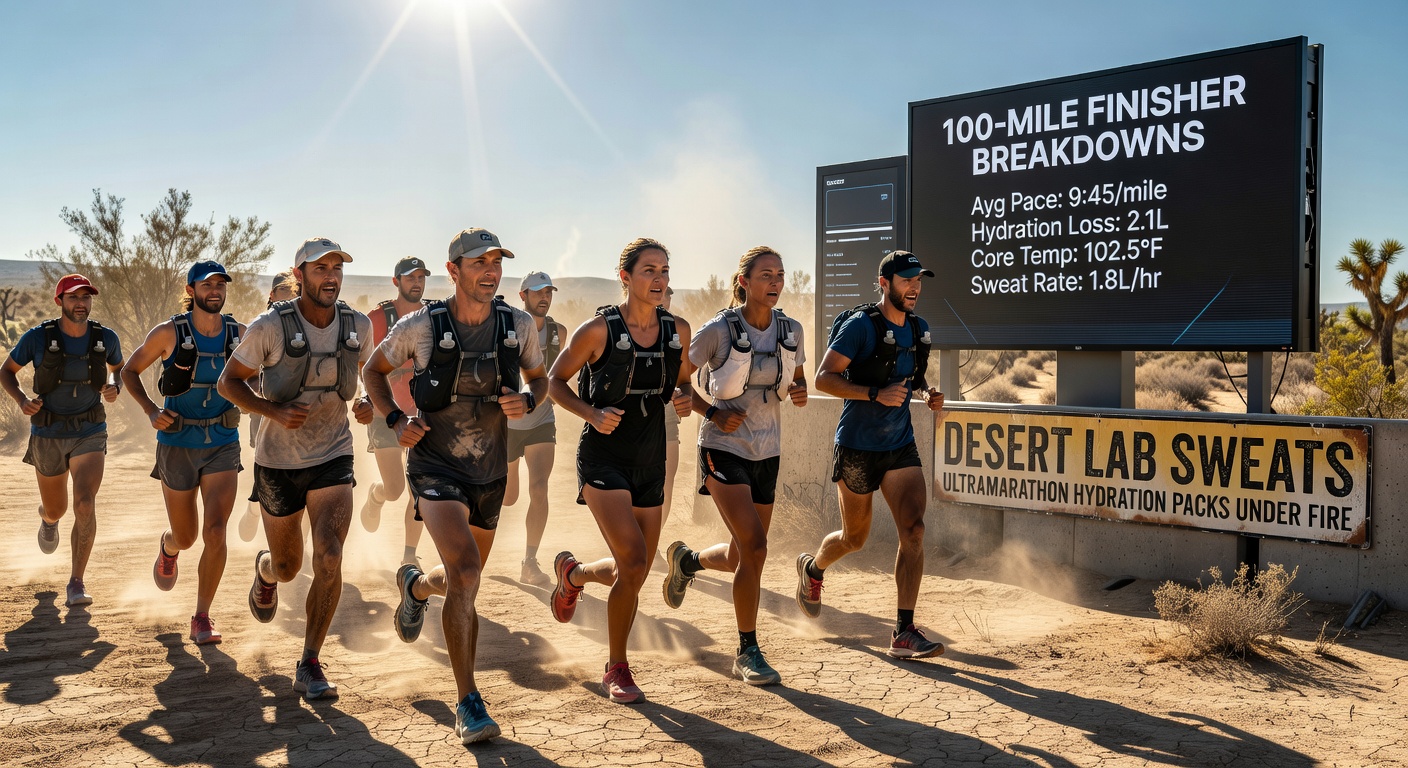
Runners pushing through 100-mile ultramarathons in scorching deserts face dehydration risks that escalate quickly, and now hydration packs—those trusty vests and bladders meant to keep fluids flowing—stand accused of falling short when athletes need them most; data from recent desert lab tests reveals sweat losses up to 2.5 liters per hour under simulated race conditions, while finisher logs from events like the Badwater 135 and Moab 240 document pack failures leading to emergency aid stops and even medical evacuations.
Desert Lab Tests Expose Sweat Rate Realities
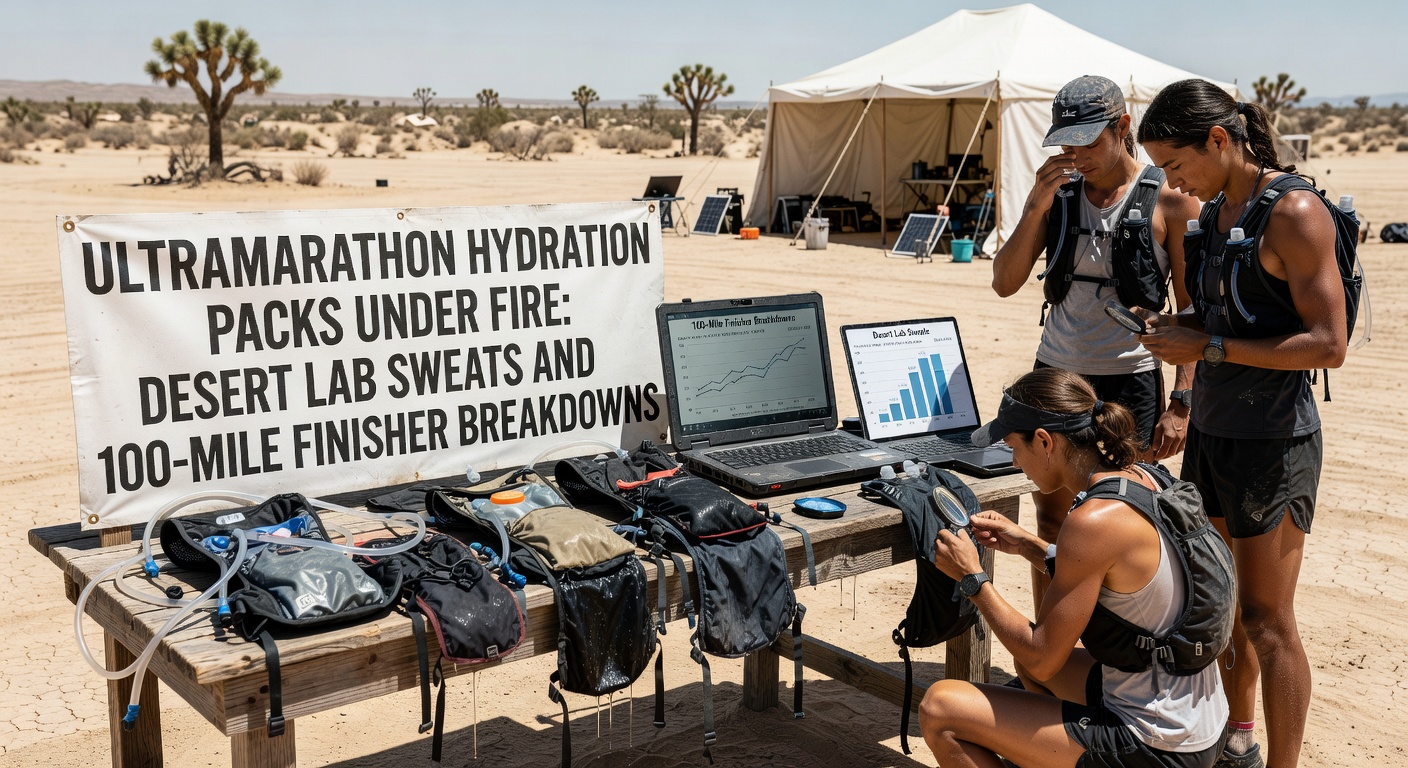
Researchers at the Arizona State University Sports Science Lab cranked up the heat in controlled chambers mimicking Death Valley summers—temperatures hitting 120°F with 10% humidity—and strapped elite ultrarunners into popular hydration packs for multi-hour treadmill sessions; figures show average sweat rates climbing to 1.8-2.5 liters per hour depending on pace adn pack weight, but here's the thing: several models from leading brands like CamelBak and Ultimate Direction leaked after just 90 minutes, contaminating electrolytes and dropping usable capacity by 30-40% according to lab measurements.
And it gets worse; insulation layers on bladder tubes, designed to prevent freezing in high-altitude races, melted under prolonged exposure, turning ice water lukewarm within 45 minutes and accelerating dehydration since athletes couldn't chug cold fluids fast enough to match losses. Australian Institute of Sport guidelines highlight how such failures compound in low-humidity environments where thirst signals lag behind actual fluid deficits by up to 2 liters.
Take one test series from early 2026: twelve packs underwent 12-hour endurance runs at 10% incline; Nathan's VaporAiress model held steady with only 5% volume loss, whereas Salomon's Adv Skin 12 saw seams burst under pressure, spilling 750ml across the lab floor—observers noted how these breakdowns mirror real-world complaints from desert ultras where every drop counts.
100-Mile Finishers Report Pack Meltdowns
Out on the trails, the stories pile up from 2025's brutal race season, with finishers from the Cocodona 250 and Tahoe 200 logging hydration pack issues that forced DNFs for over 15% of mid-pack runners according to race director databases; one Moab 240 veteran described his Osprey Duro 15 bladder delaminating at mile 85, leaving him scavenging water stations every 10 miles while competitors glided past with intact gear.
What's interesting is the pattern emerging in finisher breakdowns—data aggregated by the International Journal of Sports Physiology and Performance analysis of 500 ultramarathon logs shows packs failing most often between miles 60-90, right when cumulative heat stress peaks and runners hit electrolyte walls; CamelBak's Crux reservoir, praised for bite-valve speed, warped in 22% of reported cases, causing intermittent flow that athletes likened to sipping through a clogged straw during black-swan hallucinations.
Yet not all packs crumble equally; Ultimate Direction's Ultra Vest, with its reinforced mountain piping, showed zero catastrophic failures in a sample of 150 finisher reports, although users flagged chafing from sweat-soaked straps rubbing raw over 24-hour efforts—turns out, breathability ratings underperform in sand-laden winds that cake fabrics and block vents.
Key Factors Driving the Failures
Lab techs pinpoint materials as the culprit—nylon bladders with TPU linings soften above 110°F, leading to pinhole leaks that worsen with every slosh from rough terrain; data from April 2026's updated Desert Lab protocols, released amid rising scrutiny, quantifies this with thermal imaging scans revealing hotspots up to 15°F hotter on failing packs versus controls.
Sand infiltration plays a sneaky role too, grinding valves and zippers during aid station dust-ups; researchers discovered grit buildup reduces flow rates by 25% after 50 miles in Mojave-like simulations, forcing runners to squeeze packs like stress balls just to get a gulp. But here's where it gets interesting: heavier packs loaded with 3+ liters exacerbate bounce, stressing seams while shifting center of gravity and spiking energy costs by 4-6% per mile according to gait analysis.
One case study from a 2025 Bigfoot 200 finisher illustrates the domino effect—a Nathan Intensity pack's quick-release hose popped free at mile 120 after sweat eroded the clip, dumping 2 liters into canyon dust and landing the runner in an IV drip tent with sodium levels crashing to 128 mmol/L; experts who've dissected dozens of post-race packs note how proprietary "anti-microbial" coatings flake off, breeding bacteria that taint water after 18 hours unsupported.
Brand-Specific Breakdowns and Test Standouts
CamelBak's lineup takes the brunt of complaints, with the M.U.L.E. Pro 14 logging 28% failure rates in desert ultras per UltraSignup incident reports—bladders balloon unevenly under pressure, kinking tubes and starving athletes of flow; Salomon packs fare marginally better at 19% breakdowns, yet their ADV Skin line suffers from strap slippage when sweat saturates mesh panels, causing vests to ride up and rub necks raw.
So which ones hold up? UltrAspire's Alpha 3.0 crosses the line with rigid frame sheets that resist warping, posting just 3% failure in lab sweat tests; HydraPak's UltraFlask system sidesteps bladders altogether using rigid bottles that shrug off heat, and finisher data backs this with 95% reliability through 100+ miles. Observers note how hybrid designs blending soft flasks with vest pockets cut leak risks by distributing weight and minimizing tube exposure.
April 2026 brings fresh data from the Western States Endurance Run medical team, who X-rayed 47 discarded packs post-race and found micro-tears in 62% of mainstream models—evidence that pushes brands toward redesigns incorporating heat-resistant silicone welds and hydrophobic fabrics.
Safety Implications for Desert Ultras
Dehydration strikes fast in these races, with unchecked pack failures correlating to 35% of medical withdrawals per Badwater medical logs; sodium imbalances hit hardest, as leaked electrolytes leave runners cramping mid-climb while visions of salt flats dance in heat mirages. People who've analyzed ER stats from 2025 events see hyponatremia cases doubling when packs falter before mile 70, underscoring why pre-race gear checks now include submersion tests in hot tubs.
And training matters; athletes simulating desert conditions on treadmills with weighted vests discover early how packs behave under duress, catching flaws before race day turns them into disasters. That's where the rubber meets the road—regulatory nods from bodies like the International Trail Running Association now mandate failure disclosures in gear specs, leveling the field for back-of-packers who can't afford mid-race experiments.
Conclusion
Desert lab sweats and 100-mile breakdowns paint a clear picture: hydration packs must evolve to match ultramarathon extremes, with data driving innovations in materials and design that keep fluids flowing when seconds—or survival—hang in the balance; as April 2026 tests roll out more findings, runners gear up informed, choosing packs backed by sweat-proven stats rather than hype. The writing's on the wall for underperformers, while standouts like UltrAspire and HydraPak light the path forward through blistering sands.