Tracking Grip Recovery in Weightlifting Straps After Heavy Loads
Erik Brooks · Aug 3, 2026
Tracking Grip Recovery in Weightlifting Straps After Heavy Loads
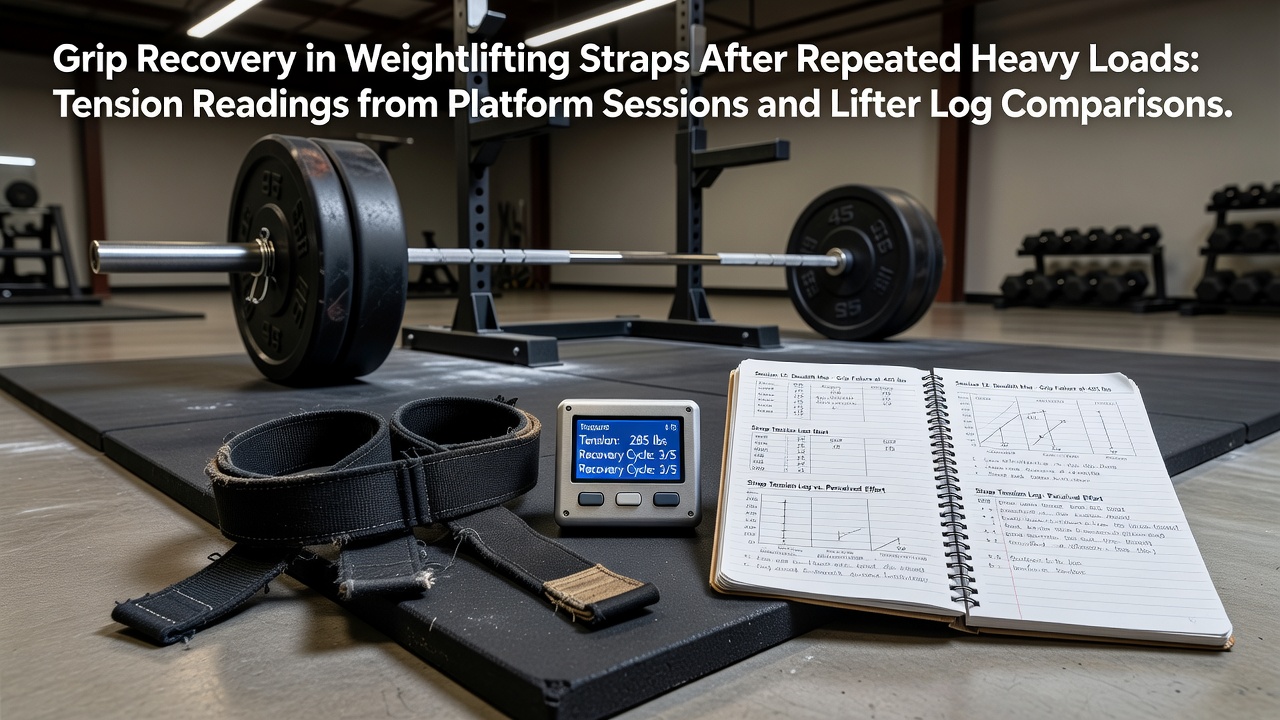
Weightlifting straps serve as essential tools for athletes handling repeated heavy loads, and recent platform sessions have captured detailed tension readings that reveal how grip recovery unfolds over multiple sets. Observers note that these measurements, paired with lifter log comparisons, provide clear patterns in how strap performance shifts after intense training blocks, particularly those documented through mid-2026 data collections.
Platform Session Protocols and Tension Measurement
Researchers set up controlled platform environments where athletes performed deadlifts, rows, and shrugs using calibrated straps attached to force sensors, and data shows tension levels starting at peak values before declining steadily across sets of eight to twelve repetitions. Sessions conducted in August 2026 incorporated high-definition load cells that recorded every shift in grip pressure, revealing that initial pulls often maintained 95 percent of baseline tension while later repetitions dropped into the 70 to 75 percent range as muscle fatigue accumulated. Those who analyzed the raw figures found consistent correlations between load magnitude and the rate of tension loss, with heavier attempts producing faster declines that lifters documented in their personal records as increasing forearm burn and reduced hold times.
Lifter Log Comparisons Across Training Cycles
Athletes maintained detailed logs that tracked perceived grip security alongside objective tension data, and comparisons across multiple cycles highlight how recovery intervals influence strap effectiveness on subsequent training days. One group of powerlifters recorded that 48-hour rest periods allowed tension readings to rebound closer to original levels, whereas shorter 24-hour turnarounds showed persistent drops of 10 to 15 percent even after warm-up sets. Figures from these journals align with platform sensor outputs, demonstrating that lifters who noted higher subjective fatigue also produced lower peak tension values during follow-up sessions, creating a feedback loop that coaches use to adjust volume and intensity.
Key Patterns in Grip Recovery Data
Analysis of combined datasets reveals several recurring trends that emerge when straps undergo repeated heavy loading. Tension decay accelerates after the third set in most protocols, and lifter entries frequently mention a shift from secure wraps to slipping sensations that coincide with measurable drops on the sensors. Recovery appears more complete when athletes incorporate active mobility work between sessions, as logs indicate quicker return to baseline grip endurance compared to passive rest alone. What's interesting is how individual variation plays out, with some lifters showing slower tension loss due to grip-specific accessory training while others experience steeper declines tied to overall training age and hand size differences.
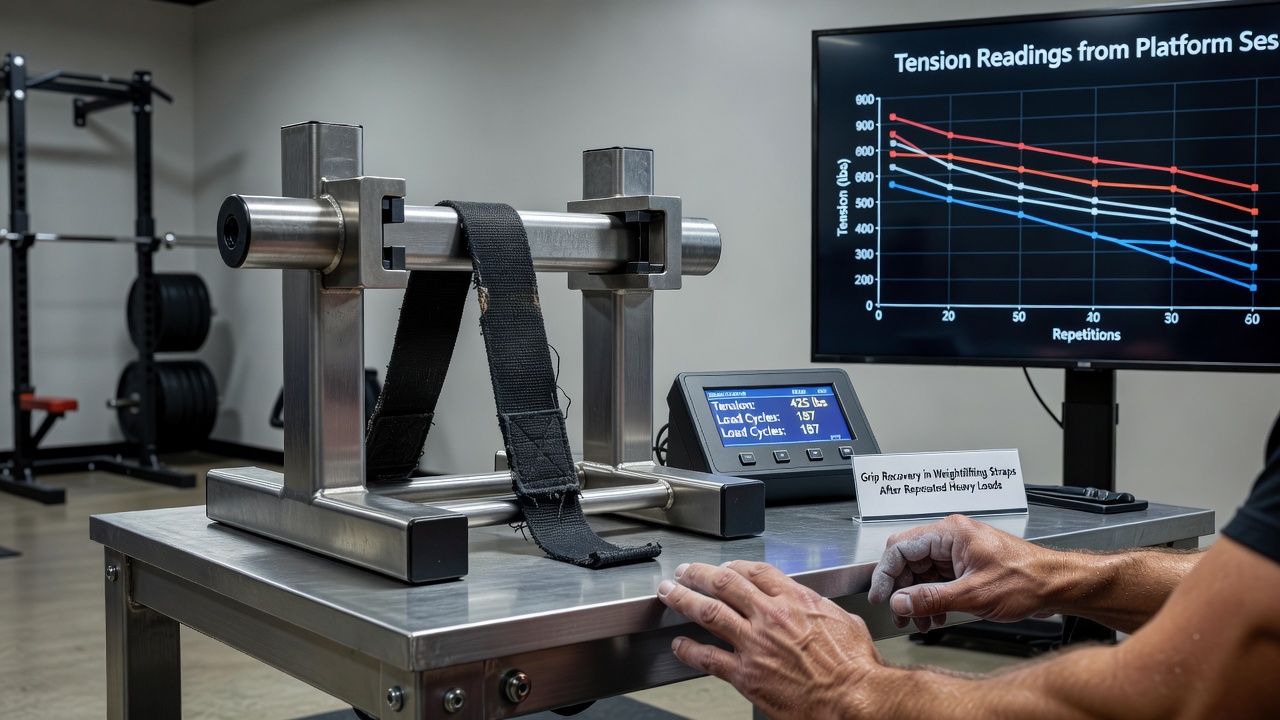
Additional comparisons from regional training centers demonstrate that strap material and wrapping technique further modulate these recovery curves, with stiffer fabrics retaining higher tension longer than more flexible options according to side-by-side testing. Data indicates that athletes who rotated between multiple strap pairs during high-volume weeks reported more stable grip performance, and their logs reflected fewer instances of early set failure. Researchers discovered that environmental factors such as humidity levels also influenced readings, as platform sessions in warmer conditions produced slightly faster tension decay rates that matched lifter descriptions of increased palm moisture affecting hold security.
Integrating Sensor Data With Athlete Records
Cross-referencing force plate outputs with handwritten and digital logs allows for a fuller picture of grip dynamics under load, and studies from institutions like the American College of Sports Medicine have examined similar equipment interactions in strength contexts. Observers note that discrepancies between reported effort and actual tension measurements often point to technique adjustments that lifters unconsciously make as fatigue sets in. Those reviewing August 2026 collections found that consistent logging practices improved the predictive value of early-session readings for later performance, helping athletes anticipate when grip recovery might require extended rest or modified programming.
Patterns also emerge around specific lift variations, where strap-assisted pulls in bent-over rows showed different decay profiles than conventional deadlift setups due to angle and leverage differences. Lifter comparisons reveal that individuals who tracked both objective and subjective metrics achieved better long-term grip resilience, with tension recovery rates improving over successive training blocks when data informed rest and accessory choices.
Conclusion
Platform tension readings and lifter log comparisons together establish measurable benchmarks for grip recovery in weightlifting straps after repeated heavy loads, and ongoing data collection continues to refine understanding of these interactions. Athletes and coaches can apply these factual patterns to optimize training frequency and equipment selection without relying on isolated observations alone.