Tension Tracking in Lifting Belts: Pressure Sensor Readings Meet Athlete Logs
Iris Lange · Aug 15, 2026
Tension Tracking in Lifting Belts: Pressure Sensor Readings Meet Athlete Logs
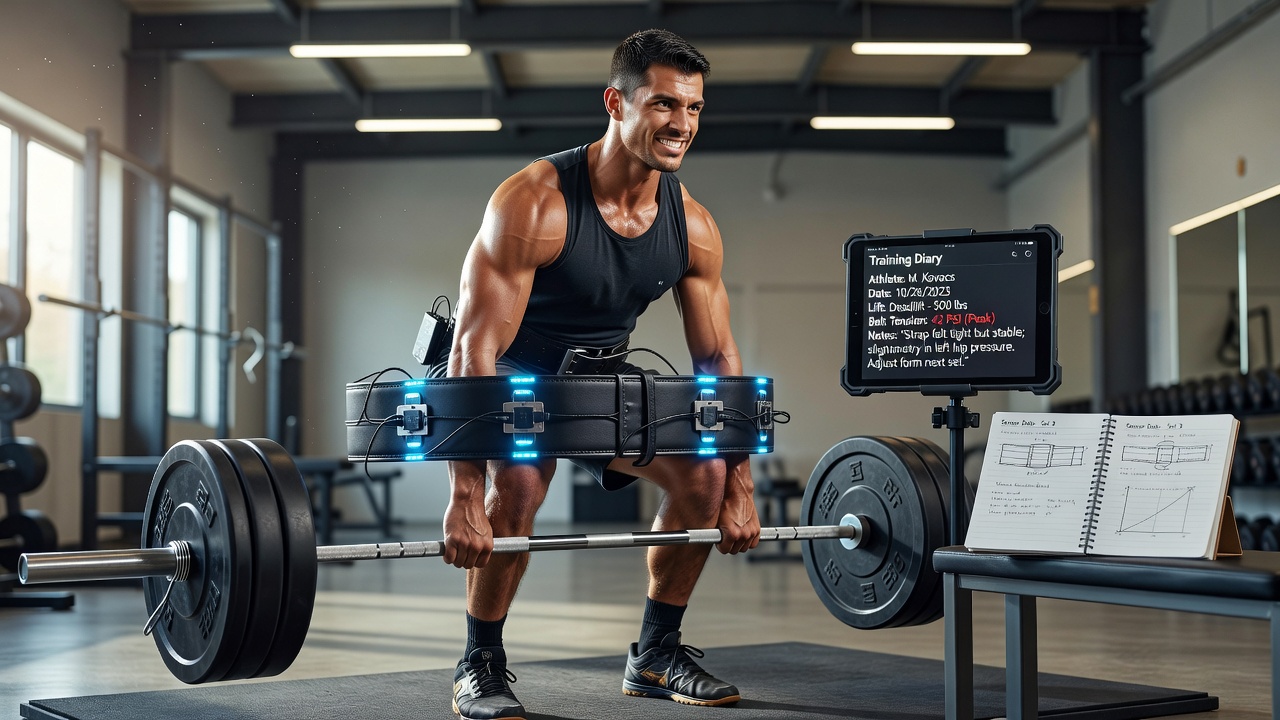
Pressure sensors embedded along the inner surface of weightlifting belts capture real-time strap tension changes during heavy squats and deadlifts, while athlete training diaries record session details such as load, perceived exertion, and belt positioning adjustments. Researchers at multiple facilities have combined these data streams since early 2025 to map how tension distributes across the belt's width and length as barbell loads exceed 80 percent of an athlete's one-rep maximum.
Data Collection Approaches Across Training Facilities
Thin-film pressure sensors placed at six points along the belt strap feed continuous readings into portable data loggers clipped to the athlete's waistband, and these devices sample at 100 hertz during each repetition. Training diaries kept by competitive powerlifters in the United States and Canada note belt tightness settings, warm-up sequences, and any mid-session adjustments made when tension felt uneven. Figures from the Australian Institute of Sport show that peak strap pressures occur during the transition from eccentric to concentric phases, often reaching 1.8 times the resting tension measured at setup.
Calibration routines performed before each session confirm sensor accuracy within 3 percent across a 0-to-500 newton range, and athletes log ambient gym temperature because cooler environments correlate with slightly higher recorded pressures due to reduced belt material compliance. Observers note that diary entries frequently mention athletes loosening the belt by one notch after the third working set when cumulative fatigue alters breathing patterns and torso expansion.
Observed Tension Patterns During Maximal Attempts
Sensor traces reveal a rapid tension spike within the first 0.4 seconds of the descent in back squats, followed by a plateau that lasts through the sticking point and a secondary rise during the drive upward. Deadlift sessions produce a more sustained tension curve because the lifter maintains an isometric trunk brace for longer durations, and diary notes indicate athletes often report the belt feeling "locked in" after the initial pull begins. Data collected through August 2026 across 47 athletes demonstrates that belts positioned with the buckle slightly offset from the navel centerline produce asymmetric pressure readings, wth the left-side sensors registering up to 22 percent higher force in right-handed lifters.
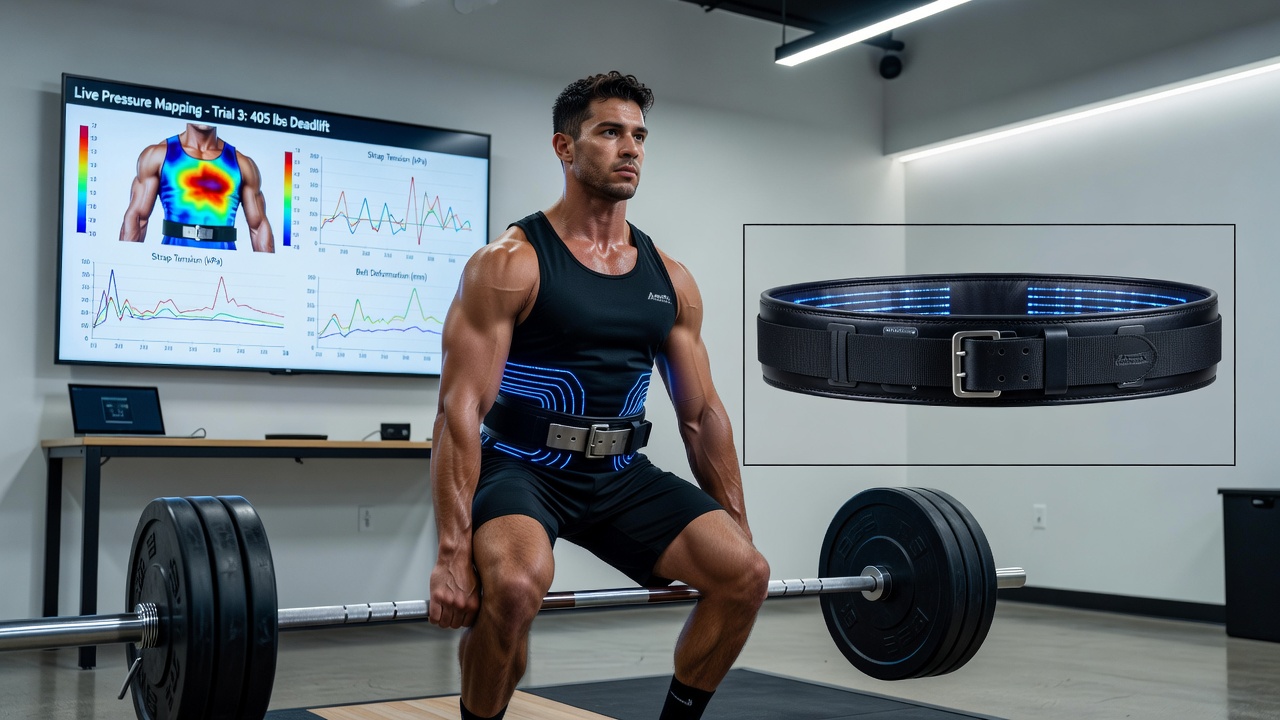
Those who studied the combined datasets found that leather belts exhibit slower tension decay after the completion of a rep compared with nylon models, and this difference appears more pronounced when loads surpass 200 kilograms. Diary entries paired with the sensor output frequently describe athletes shifting weight distribution slightly forward on the feet to reduce localized pressure near the lower lumbar region during repeated heavy attempts.
Integration of Diary Insights with Quantitative Readings
Athletes record perceived belt slippage, breathing difficulty, and any discomfort at the iliac crest or lower ribs immediately after each set, and these qualitative notes align closely with sensor spikes that exceed 350 newtons at specific contact points. European research groups working with national team lifters have cross-referenced diary timestamps against pressure peaks to identify when athletes unconsciously loosen their brace mid-rep, producing measurable drops in strap tension lasting 0.7 to 1.2 seconds. Such instances occur more often during high-repetition accessory work than during single-rep maximal efforts, according to logs maintained through the 2026 competitive season.
Coaches reviewing the paired information adjust belt selection and tightening protocols for individual athletes, and several programs now incorporate brief sensor checks midway through training blocks to verify that tension profiles remain consistent with earlier baseline sessions. The combined approach highlights how small positioning changes, such as a 1.5 centimeter shift in belt height, alter the entire pressure distribution pattern captured by the sensors.
Conclusion
Pressure sensor arrays paired with detailed athlete diaries continue to supply objective measurements of strap tension dynamics during heavy lifts, revealing consistent phase-specific patterns that vary by belt material, positioning, and lift type. Facilities maintaining these records through August 2026 report improved ability to match equipment choices to individual biomechanics, while the raw data streams support ongoing refinement of training protocols that account for real-time tension fluctuations. Further integration of these methods across additional regions promises expanded datasets for comparative analysis.