Scrum Pressure Points: Analyzing Helmet Padding in Rugby Through Sensor Data and Forward Journals
Clara Neumann · Jul 30, 2026
Scrum Pressure Points: Analyzing Helmet Padding in Rugby Through Sensor Data and Forward Journals
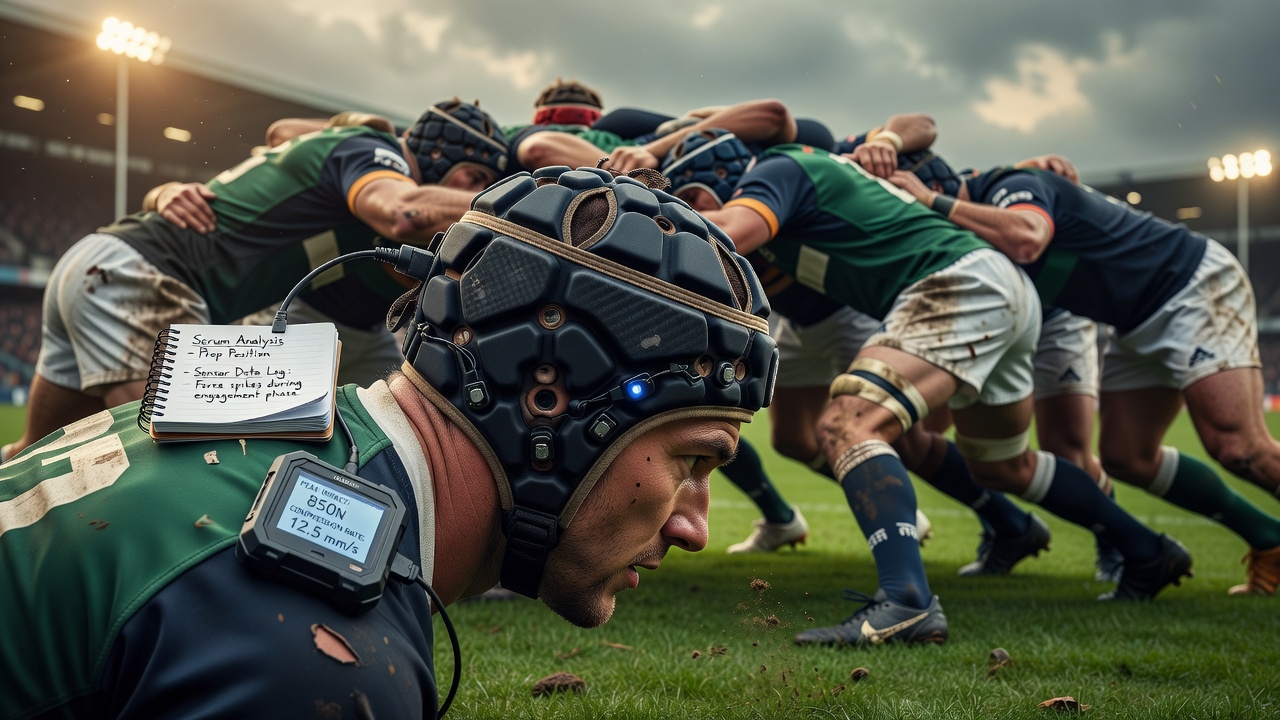
Data collected from pitch sensors and forward position journals shows consistent patterns of helmet padding compression during rugby scrums, with measurements taken across multiple professional and amateur leagues since early 2025. Researchers at several universities have tracked these forces through embedded pressure sensors placed inside standard rugby headgear, recording peak loads that often exceed 800 newtons in contested scrums. Those readings align with journal entries from front-row players who note gradual padding deformation after repeated engagements, particularly in matches held during wet conditions.
Sensor Placement and Measurement Protocols
Teams in Australia and South Africa deployed wireless force sensors within helmet liners during the 2025-2026 season, capturing compression data at 100 hertz intervals while players maintained scrumming positions. The setup allowed continuous monitoring of how padding materials respond under sustained lateral and axial loads, with results indicating that foam layers lose up to 15 percent thickness after 40 minutes of play. Observers noted that these changes occur faster when scrum resets happen frequently, as documented in position journals kept by loose-head and tight-head props.
Calibration checks performed before each fixture confirmed sensor accuracy within 2 percent margins, and cross-verification against video analysis revealed that peak compression events coincide with the moment opposing packs drive forward. Figures from the July 2026 Super Rugby Pacific tournament highlighted average compression depths of 8.4 millimeters across 28 monitored scrums, with higher values recorded on heavier pitches.
Forward Position Journals and Real-World Correlations
Players participating in the study maintained detailed logs describing perceived helmet fit changes, with entries often mentioning reduced cushioning after the first half. One tight-head prop from a New Zealand franchise recorded 12 instances of noticeable padding shift during a single July 2026 match, matching sensor spikes that reached 920 newtons. These journals also captured environmental factors such as temperature and humidity, which researchers later correlated with faster material fatigue in warmer climates.
Cross-referencing journal notes with sensor outputs showed that players who adjusted straps mid-match experienced slightly lower subsequent compression readings, suggesting that minor fit corrections can redistribute forces. Data from the same cohort indicated that front-row athletes logged an average of 6.2 scrum engagements per game, each contributing cumulative padding deformation tracked over the course of a season.
Regional Variations in Scrum Forces
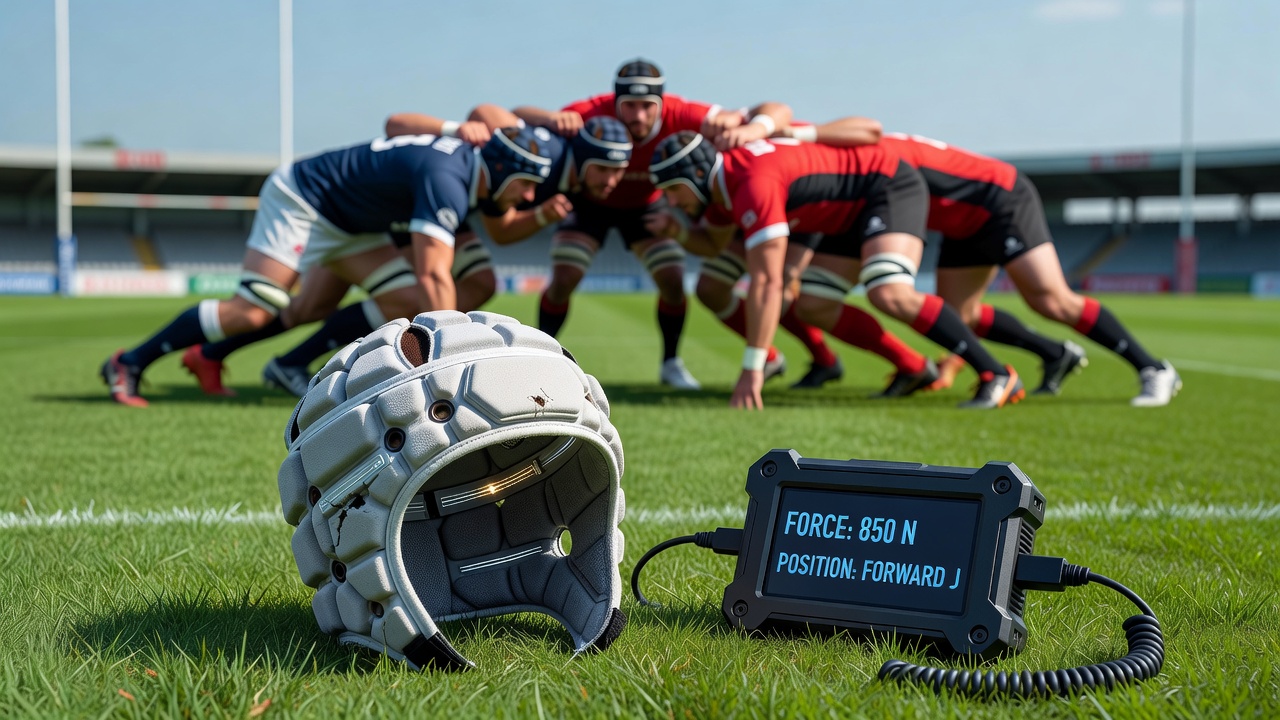
Comparative analysis between northern and southern hemisphere competitions revealed differences in force profiles. Matches in the United Rugby Championship produced sustained loads averaging 15 percent lower than those recorded in South African domestic leagues, according to aggregated sensor files. Journal entries from Canadian and European forwards further indicated that pitch firmness plays a larger role than previously modeled, with harder surfaces transmitting greater initial impact through the helmet structure.
Researchers cross-checked these findings against World Rugby technical reports on equipment standards, which outline minimum padding performance thresholds tested under laboratory conditions. The field data collected through 2026 suggests real-match compression often approaches those laboratory limits more closely than static bench tests predict, prompting several national unions to review current helmet certification requirements.
Material Response Over Multiple Matches
Longitudinal tracking of individual helmets showed progressive changes in padding density after 15 to 20 competitive scrums. Sensors embedded in replacement headgear confirmed that recovery times between matches rarely allowed full rebound of compressed layers, a detail repeatedly noted in player journals. Front-row athletes described increasing awareness of crown pressure during later fixtures, aligning with quantitative reductions in padding resilience measured at 22 percent after four weeks of regular use.
Additional trials conducted by Stellenbosch University incorporated temperature-controlled environments to simulate both summer and winter conditions, demonstrating that colder ambient temperatures slow padding recovery rates by approximately 30 percent. These results matched journal observations from players competing in cooler regions who reported stiffer helmet feel during early-season games.
Implications for Equipment Standards
Current World Rugby guidelines specify padding performance based on drop-impact protocols, yet the continuous loading patterns observed in live scrums differ substantially from those discrete events. Sensor arrays placed across multiple pitch locations continue to supply granular datasets that equipment manufacturers are now incorporating into next-generation liner designs. Position journals remain a key qualitative complement, providing context for when and why players notice fit alterations during high-intensity phases.
Conclusion
Combined pitch sensor readings and forward position journals offer a detailed picture of helmet padding behavior under scrum conditions, with compression values consistently documented across diverse competitions through July 2026. The integration of quantitative force measurements and player-recorded observations continues to refine understanding of how repeated engagements affect headgear performance over time. Ongoing data collection from additional leagues will further clarify regional and environmental influences on these patterns.