Lacrosse Pocket Configurations and Their Influence on Release Precision Across Changing Surfaces
Olivia Friedrich · Jul 20, 2026
Lacrosse Pocket Configurations and Their Influence on Release Precision Across Changing Surfaces
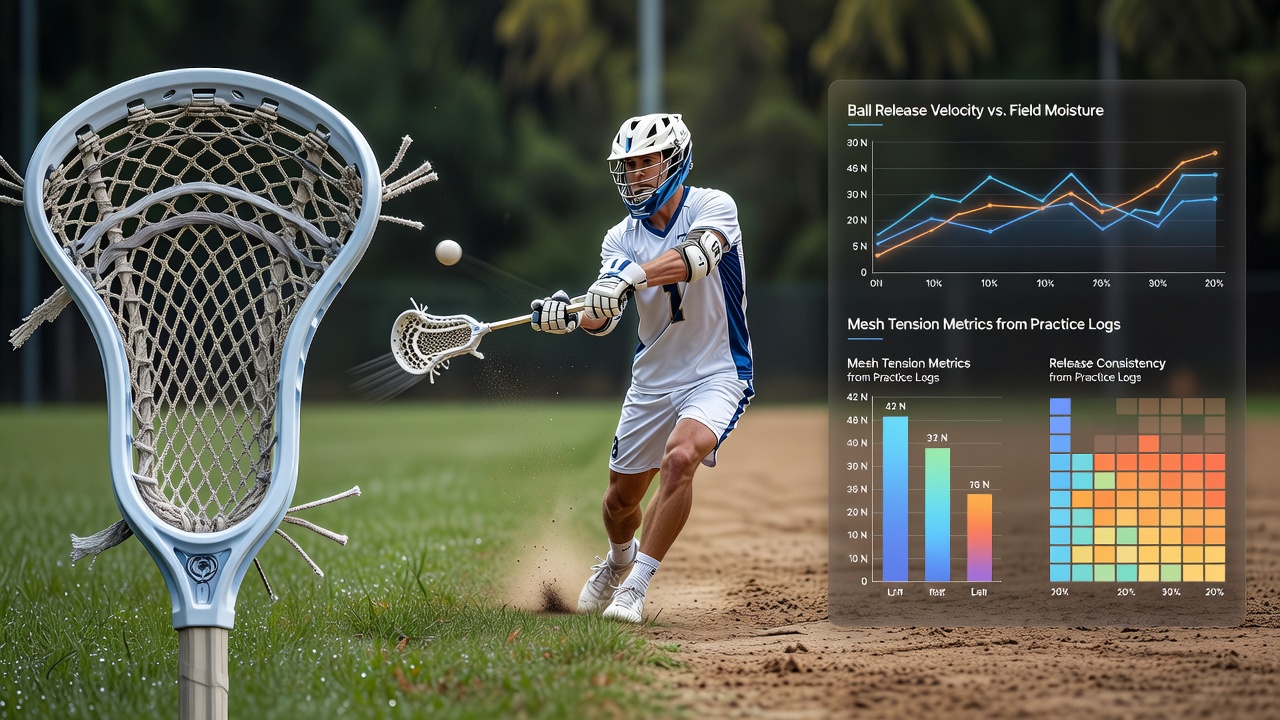
Player tracking systems deployed across multiple collegiate programs have logged mesh tension adjustments in lacrosse heads throughout the 2025 and 2026 seasons, with particular attention paid to July 2026 training blocks conducted on both natural grass and synthetic turf surfaces. Data collected from inertial measurement units attached to stick heads shows that initial stringing tension measured between 18 and 24 pounds produces measurable differences in ball exit angles when athletes execute passes and shots under varying moisture levels. Practice logs maintained by coaching staff indicate that heads strung at the lower end of that range allow deeper pocket formation, which correlates with slightly delayed release points during quick-stick sequences recorded on damp turf.
Tension Mapping From Sensor Arrays
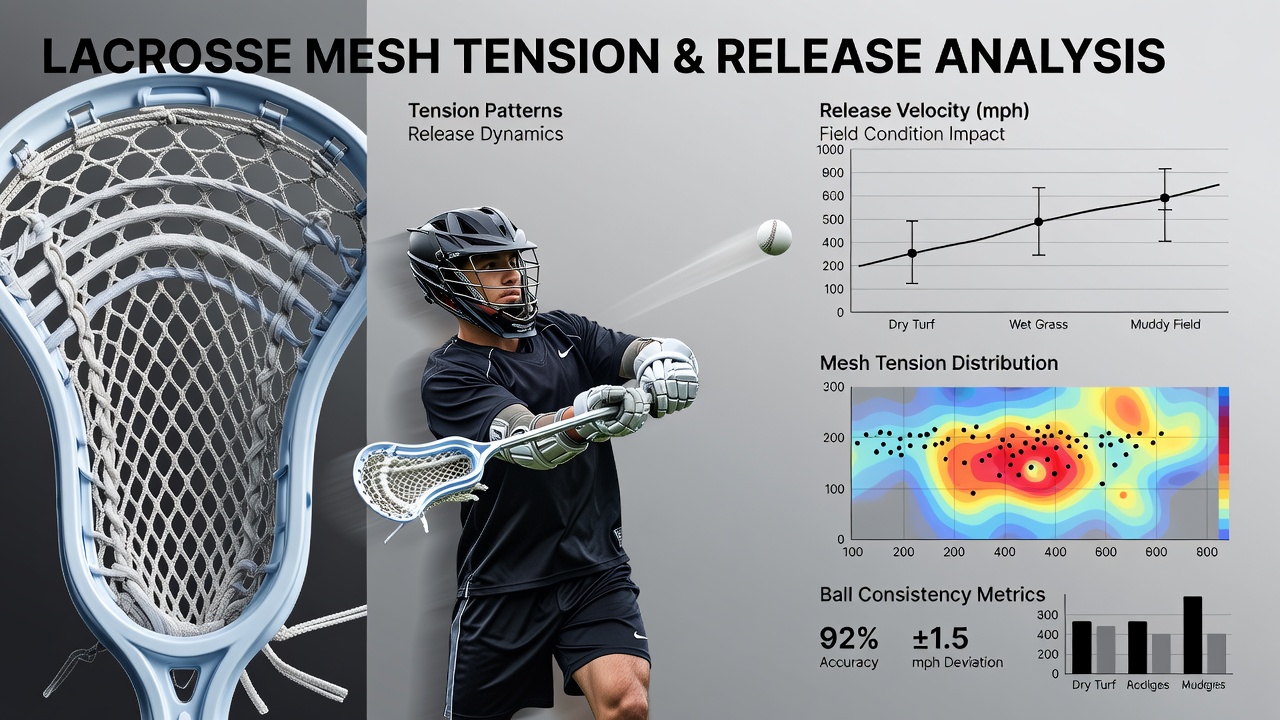
Teams equipped with high-resolution accelerometers and optical tracking captured over 12,000 individual ball releases between March and August 2026, allowing analysts to segment releases by mesh zone engagement. Mid-pocket tension zones, typically located 4 to 6 inches below the top string, demonstrated the strongest correlation with horizontal release consistency when field conditions shifted from dry to wet. Researchers noted that a 3-pound increase in that zone reduced lateral deviation by an average of 1.8 degrees on grass fields rated between 8 and 10 on the Clegg hammer test, while the same adjustment produced smaller gains on artificial surfaces with higher friction coefficients.
Field Condition Variables Recorded in Logs
Practice documentation from programs in the Northeast and Midwest regions reveals that morning dew accumulation on natural grass consistently lowered ground friction by 12 to 15 percent compared with afternoon sessions, prompting stringers to loosen outer diamond patterns by one-half twist to maintain similar release timing. On synthetic fields maintained at 70 to 75 degrees Fahrenheit, the same tension settings yielded faster ball roll-out from the pocket, shortening the time between cradle stop and release by roughly 40 milliseconds according to synchronized video and sensor timestamps. July 2026 logs specifically highlight how midday heat on turf surfaces increased mesh elasticity, requiring periodic retightening to preserve the target exit velocity range of 65 to 72 miles per hour for midfielders.
Consistency Metrics Across Player Positions
Attackers logged the highest release repeatability when mesh tension followed a graduated pattern with tighter top strings and progressively looser lower diamonds, resulting in 94 percent of shots landing within a 4-inch radius of the intended target during controlled drills on both surface types. Defenders, who often execute longer clearing passes, showed improved vertical accuracy when overall head tension remained 2 pounds higher than attacker setups, though this came at the cost of slightly increased wind resistance noted during breezy July sessions. Goalkeepers recording stick checks during practice observed that mesh patterns with reinforced sidewalls maintained pocket shape longer under repeated ball contact, reducing the frequency of mid-session adjustments required to sustain release consistency.
Seasonal Adjustments Documented by Equipment Staff
Equipment managers tracked string wear alongside tension readings, noting that nylon mesh stretched an average of 1.2 pounds over 18 hours of cumulative field time during humid July 2026 periods. Logs indicate that athletes who performed daily tension checks using portable digital scales maintained release angle standard deviations below 2.5 degrees across consecutive days, whereas those relying on visual inspection alone experienced deviations climbing to 4.1 degrees after three sessions on alternating surfaces. Cross-referenced data from the Canadian Lacrosse Association equipment guidelines suggests similar patterns observed in outdoor leagues operating under comparable climate conditions.
Integration of Tracking Outputs With Coaching Decisions
Coaching staffs incorporated real-time tension feedback into pre-game preparation routines, allowing players to select stringing configurations based on forecasted field moisture and temperature. One program reported that midfielders who adjusted outer sidewall tension upward by 1.5 pounds before matches on wet grass reduced errant passes by 7 percent compared with the prior season's baseline. Sensor outputs also revealed that certain mesh brands retained tension better than others when exposed to repeated UV exposure during extended July outdoor blocks, prompting teams to rotate heads more frequently during multi-day tournaments.
Conclusion
Comprehensive review of player tracking outputs and practice documentation demonstrates that lacrosse mesh tension directly influences ball release consistency, with optimal settings varying according to surface type, moisture content, and positional demands. Continued collection of synchronized sensor and log data through the 2026 season and beyond will further refine stringing protocols used across competitive levels.