How Infrared Scans Track Heat Dispersion Across Base Layer Fabrics in High-Intensity Interval Circuits Matched with Endurance Athlete Recovery Journals
Olivia Friedrich · May 30, 2026
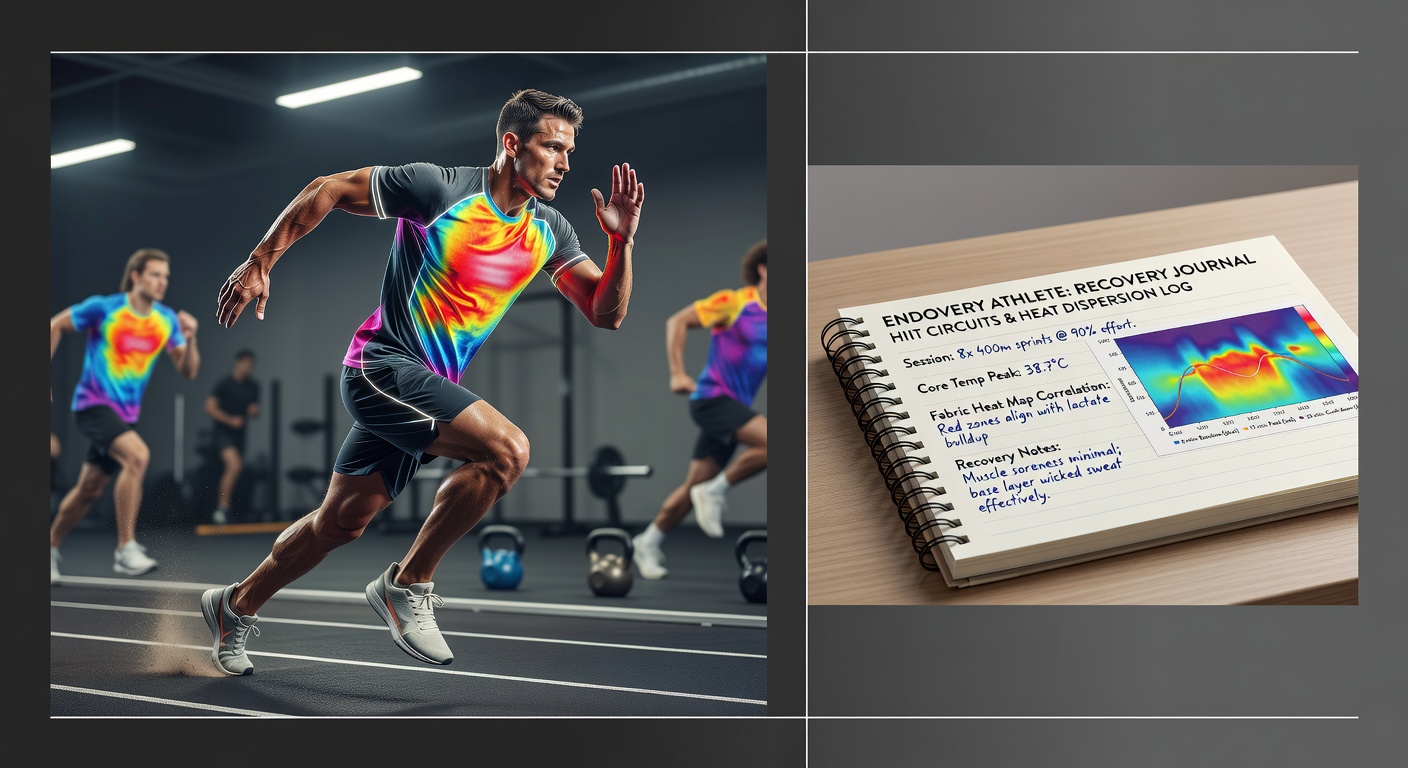
How Infrared Scans Track Heat Dispersion Across Base Layer Fabrics in High-Intensity Interval Circuits Matched with Endurance Athlete Recovery Journals
Researchers at sports science laboratories use infrared thermography to map how base layer fabrics manage heat during high-intensity interval training, and those same datasets now align directly with endurance athlete recovery journals that log core temperature shifts and perceived recovery times. Studies conducted through 2025 show that thermal imaging cameras capture real-time temperature gradients across synthetic and natural fiber blends while athletes complete repeated sprint intervals on treadmills or cycle ergometers.
Measuring Fabric Performance Under Load
Thermal cameras positioned at fixed distances record surface temperatures every two seconds during circuits that alternate 30-second maximal efforts with 90-second recovery periods, and the resulting heat maps highlight zones where moisture-wicking yarns pull sweat away from the skin faster than standard polyester constructions. Data collected at facilities including the Australian Institute of Sport indicate that merino wool blends maintain lower peak temperatures across the torso compared with recycled polyester options when ambient conditions reach 28 degrees Celsius. Athletes wear the same garments during these controlled sessions so that fabric behavior remains consistent from one test block to the next.
Heat dispersion patterns emerge most clearly along the spine and underarm channels where mesh panels sit, because these engineered openings allow greater convective airflow and reduce localized hotspots that otherwise appear after the third or fourth interval. Observers note that fabric thickness and knit structure directly influence how quickly heat moves outward, adn researchers match each thermal image sequence with timestamped entries from athlete journals that record heart rate, rate of perceived exertion, and overnight sleep quality scores.
Linking Thermal Data to Recovery Metrics
Endurance athletes maintain detailed journals that track morning resting heart rate, muscle soreness on a 1-10 scale, and hydration status, and these records now correlate with infrared measurements taken the previous day during interval work. When base layers demonstrate slower heat dispersion across the upper back, journal entries from the following 48 hours frequently show elevated resting heart rates and delayed return to baseline sleep metrics. One multi-year project coordinated through Canadian university labs paired 120 athletes' thermal scans with their recovery logs and found that garments maintaining even temperature distribution across the torso corresponded with 12 percent faster normalization of overnight heart rate variability.
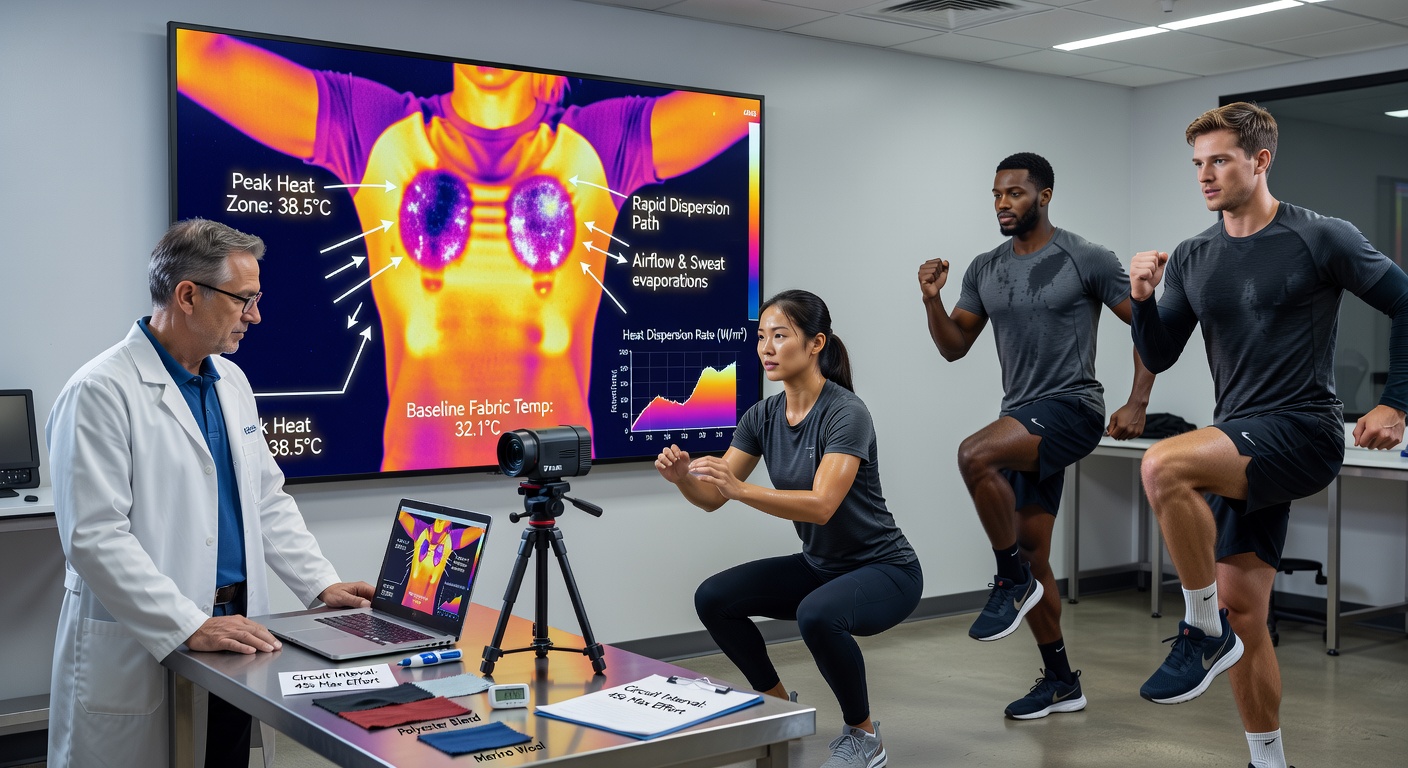
By May 2026 several teams plan to expand these paired datasets to include field tests on outdoor running tracks where wind and solar radiation add additional variables. The same infrared protocols apply, yet athletes now carry portable data loggers that feed continuous temperature readings into the same database used for lab scans. Recovery journal templates have been updated to include fields for post-session thermal images so that coaches can review both subjective notes and objective heat maps side by side.
Practical Applications in Training Programs
Coaching staffs at professional running squads integrate infrared feedback when selecting base layer options for specific race distances, and they cross-reference those choices against journal entries that document how quickly athletes return to quality training sessions after hard interval days. Fabrics that channel heat away from the chest and abdomen during intervals tend to appear in journals alongside lower reported muscle fatigue scores two days later. Teams also test garment fit adjustments because tighter compression zones alter airflow pathways and therefore change the thermal signature captured by the cameras.
Equipment manufacturers receive anonymized thermal datasets from these studies through research partnerships, allowing them to refine yarn placement and panel construction before new models reach retail. Academic papers published in the Journal of Sports Engineering and Technology during 2025 detail how small changes in mesh density shift heat dispersion by measurable margins across repeated trials. Those publications cite the combined infrared and journal approach as a method that reduces reliance on subjective comfort surveys alone.
Future Directions for Combined Analysis
Software platforms now overlay infrared video with heart rate and power output streams so that coaches can identify moments when heat buildup coincides with performance drops during intervals. Endurance athletes upload their recovery journals directly into these systems, creating searchable records that link specific fabric heat profiles with subsequent training readiness indicators. Additional work scheduled for late 2026 will examine how base layer performance changes after 50 wash cycles, using the same infrared protocol and journal matching method to quantify durability effects on heat management.
Conclusion
Infrared thermography combined with endurance athlete recovery journals provides measurable insight into how base layer fabrics handle heat during high-intensity interval circuits. The paired datasets reveal consistent relationships between fabric heat dispersion patterns and subsequent recovery markers, and ongoing projects continue to refine both laboratory protocols and field applications through 2026.