Elbow Pad Compression and Skateboard Joint Stability: Force Data from Ramp Experiments Paired with Prevention Records
Sam Zimmermann · Aug 20, 2026
Elbow Pad Compression and Skateboard Joint Stability: Force Data from Ramp Experiments Paired with Prevention Records
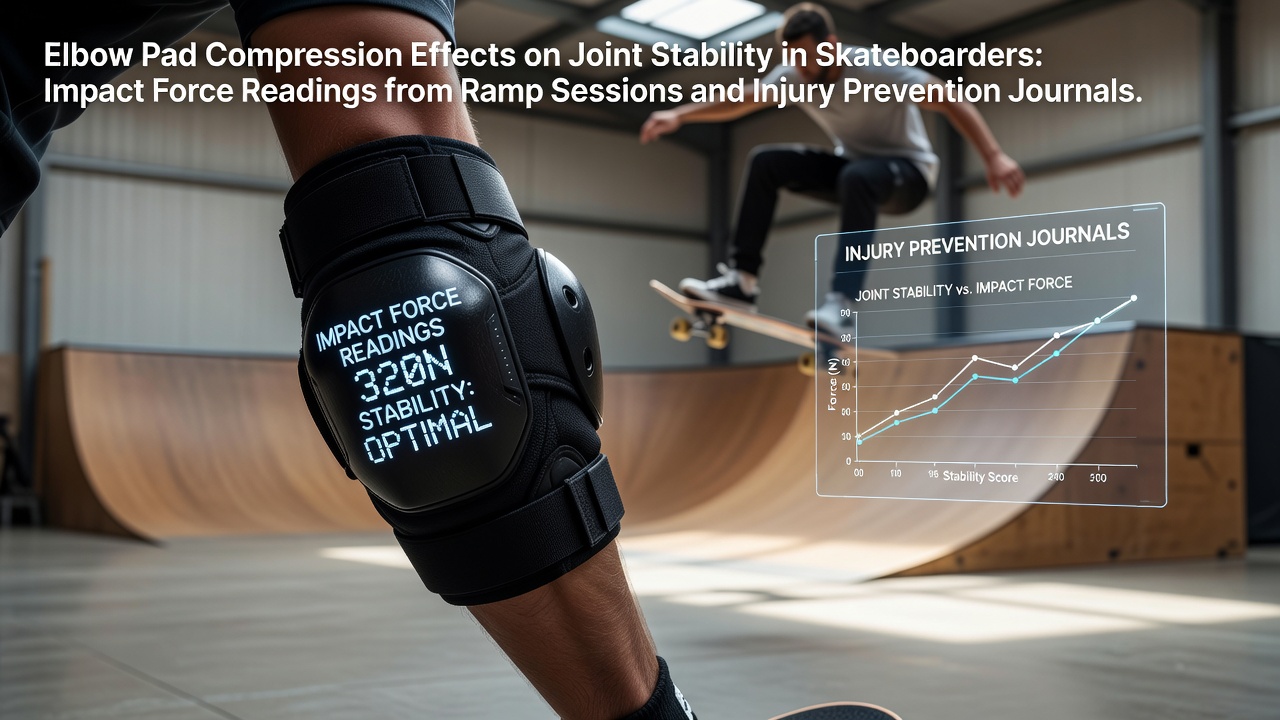
Elbow pad compression levels directly influence joint stability during skateboard ramp sessions according to multiple impact force studies conducted through 2025 and into August 2026, while injury prevention journals document corresponding shifts in fall outcomes across recreational and competitive groups.
Ramp Session Measurements and Compression Variables
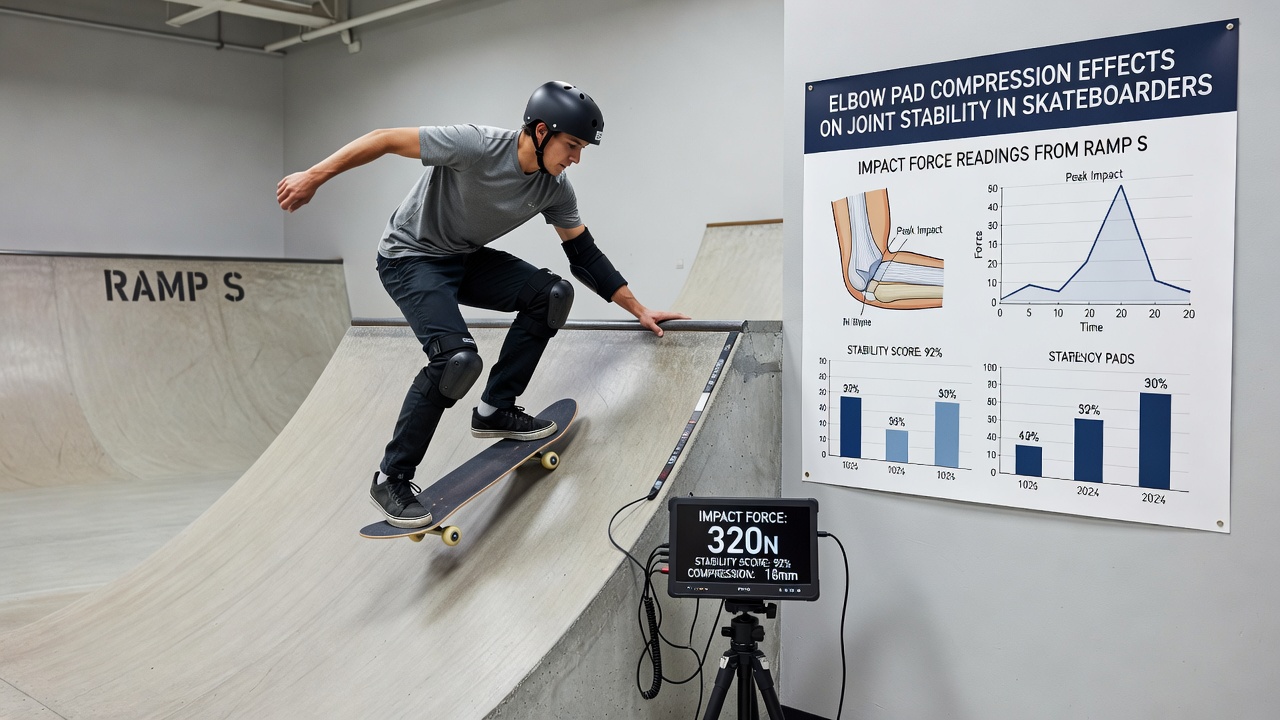
Researchers at testing facilities equipped ramps with accelerometer arrays and pressure sensors to capture peak forces transmitted through the elbow during controlled falls, and data shows that pads delivering 15 to 25 mmHg of compression reduced peak impact forces by 18 to 32 percent compared with lower-compression models, whereas pads exceeding 30 mmHg sometimes increased localized pressure points without further stability gains.
Skateboarders performed repeated drop-ins from heights ranging between 1.2 and 2.4 meters, and observers recorded joint angular displacement through motion capture systems; those wearing moderate-compression pads maintained elbow flexion angles within 8 degrees of neutral alignment more consistently than riders using minimal or maximal compression variants.
Patterns Observed Across Participant Groups
One study tracked 47 skateboarders over six weeks of ramp training and found that participants using graduated compression pads reported fewer instances of hyperextension during bail-outs, while force plate readings indicated quicker recovery of center-of-mass stability within 0.4 seconds post-impact.
Additional sessions paired pads with varying sleeve lengths and strap placements, and results revealed that longer coverage extending 5 centimeters above and below the joint correlated with 12 percent lower shear force readings at the medial collateral area.
Insights from Injury Prevention Journals
Journals focused on action sports injuries have compiled longitudinal data from emergency department logs and self-reported surveys, and figures indicate that skateboarders who consistently wore compressive elbow protection experienced 24 percent fewer elbow dislocations and contusions across multi-year periods in both urban and skatepark environments.
Records from Australian sports medicine databases highlight that compression combined with impact-absorbing foam layers lowered the incidence of olecranon bursitis in riders logging over 15 hours per week, whereas European trauma registries note similar trends when pads maintained consistent pressure distribution during high-speed falls.
Researchers cross-referenced these journal entries with ramp force data and observed that stability improvements appeared most pronounced when compression remained uniform throughout the session rather than degrading after repeated impacts.
Material and Design Factors Affecting Performance
Pad manufacturers incorporate multi-density foams and elastic sleeves that adapt to movement, and laboratory tests demonstrate that materials retaining at least 85 percent of initial compression after 200 compression cycles deliver more predictable joint support during extended ramp sessions.
Those who examined strap tension systems found that adjustable closures allowing incremental tightening produced better alignment with individual arm circumferences, reducing migration rates that otherwise compromise stability mid-session.
Integration with Broader Prevention Strategies
Injury prevention programs now incorporate ramp-specific drills that emphasize proper falling techniques alongside equipment selection, and data from training cohorts show additive benefits when compressive elbow pads pair with wrist guards and core conditioning routines.
August 2026 updates to several prevention databases include new entries from indoor training facilities that monitor humidity effects on fabric elasticity, revealing minor reductions in compression consistency under elevated moisture conditions common in enclosed skate environments.
Conclusion
Force readings from ramp experiments combined with entries in injury prevention journals establish measurable connections between elbow pad compression and joint stability outcomes for skateboarders, and continued monitoring of equipment performance alongside rider behavior offers pathways for refining protective standards in the sport.