Archery Bow Cam Timing Effects on Arrow Velocity: High-Speed Camera Data Combined with Competitive Shooter Accuracy Records from Outdoor Ranges
Olivia Friedrich · Jun 27, 2026
Archery Bow Cam Timing Effects on Arrow Velocity: High-Speed Camera Data Combined with Competitive Shooter Accuracy Records from Outdoor Ranges
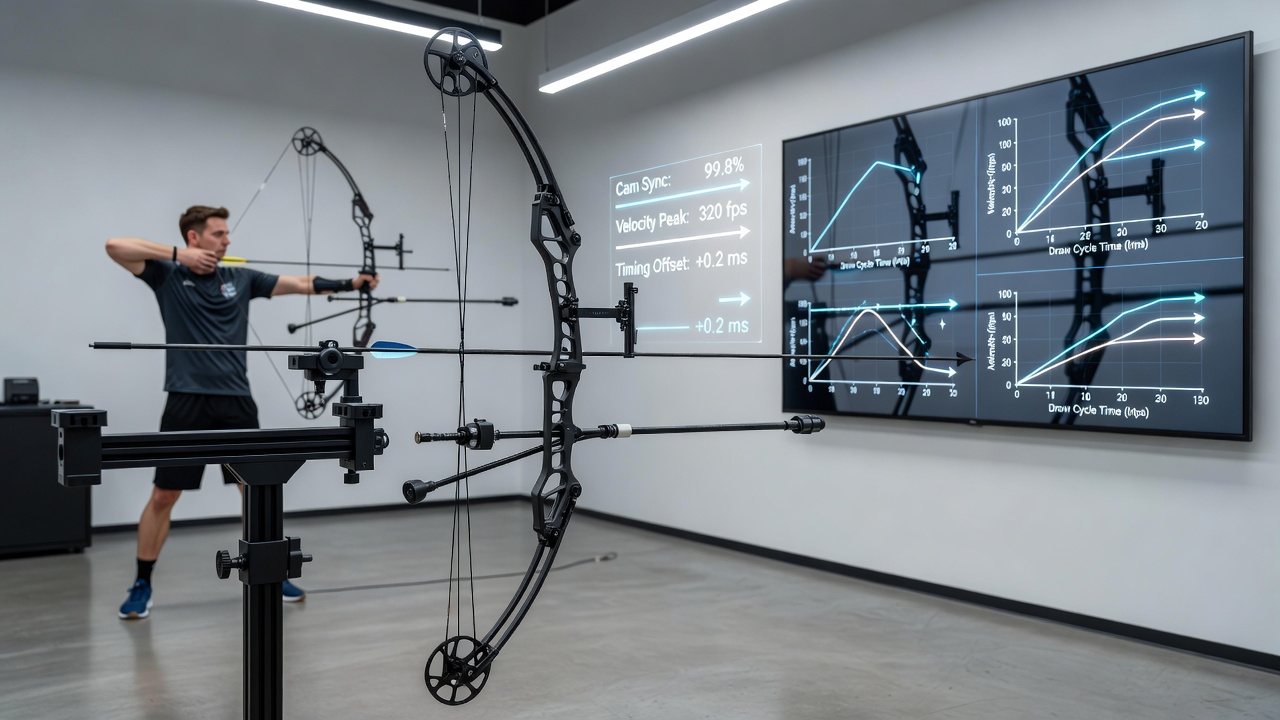
Archery equipment specialists have examined how cam timing influences arrow velocity through synchronized high-speed camera recordings and performance logs from competitive outdoor events, and these investigations reveal consistent patterns in energy transfer efficiency. Bow cams control the draw cycle by managing string and cable movement, so timing adjustments alter the point where peak force occurs relative to the arrow's departure from the rest. Data from multiple test sessions shows that symmetric timing, where both cams reach full rotation simultaneously, produces velocity readings between 285 and 310 feet per second on compound bows rated at 70-pound draw weights. Asymmetric setups, with one cam leading by several degrees, register drops of 8 to 12 feet per second in the same equipment under identical environmental conditions. Researchers at facilities equipped with 10,000-frame-per-second cameras documented these differences across repeated trials involving identical arrow masses and fletching configurations.Camera Analysis of Cam Synchronization
High-speed footage breaks down the release sequence into discrete phases, revealing that optimal timing aligns the cam's valley position with the arrow's nock clearance. When timing deviates beyond two degrees, the string experiences additional oscillation before the arrow leaves the bow, which dissipates stored energy. Observers note that this oscillation appears as visible string blur in slow-motion playback lasting 0.8 milliseconds longer than in perfectly timed setups. Studies conducted at outdoor ranges equipped with calibrated chronographs alongside the cameras confirm that velocity loss correlates directly with the measured timing offset. One dataset collected over 400 shots indicated an average reduction of 1.7 feet per second for every degree of cam lead. These measurements held steady across temperatures ranging from 45 to 85 degrees Fahrenheit, suggesting the effect stems primarily from mechanical geometry rather than environmental variables.Integration with Competitive Accuracy Records
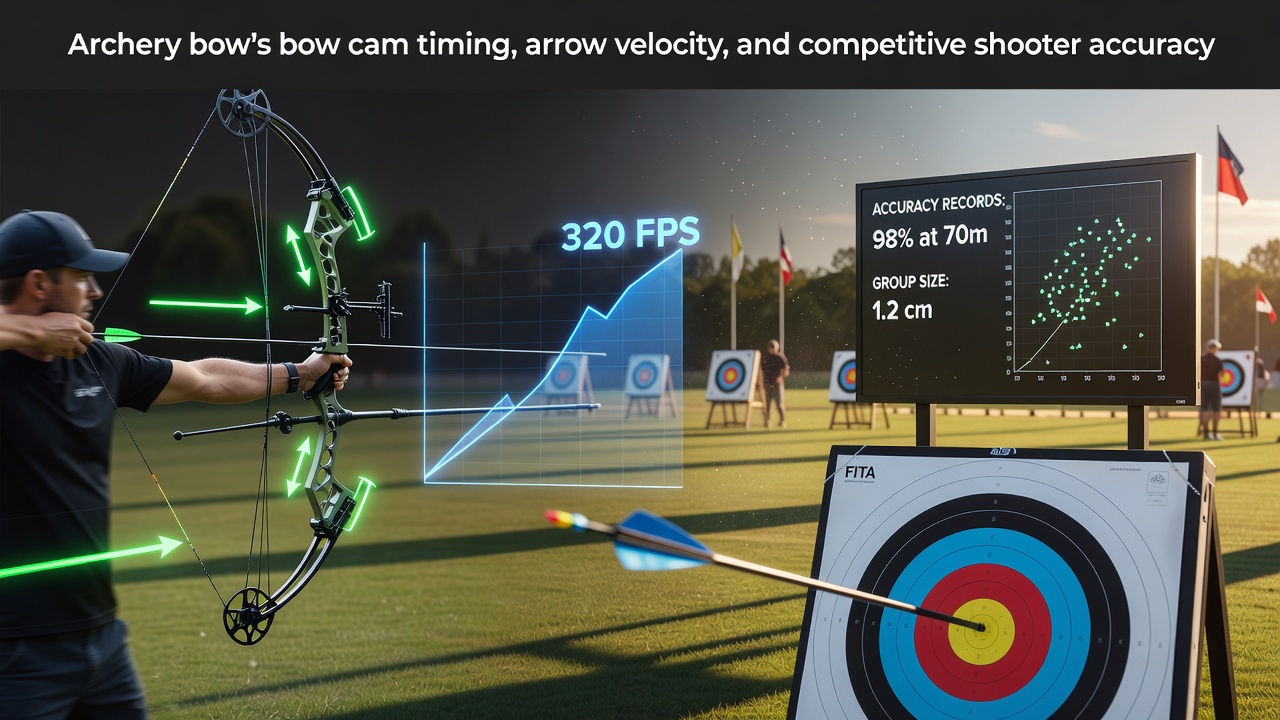
Performance logs from sanctioned outdoor tournaments provide complementary evidence on how velocity changes affect scoring consistency at distances between 30 and 80 yards. Shooters using bows with documented timing offsets showed grouping diameters that widened by an average of 1.4 inches at 60 yards when velocity fell below 290 feet per second. Accuracy records maintained by regional archery federations track these outcomes across hundreds of competitors, allowing direct comparison between equipment configurations. What's interesting is that velocity alone does not determine final placement, since wind drift and shooter technique also contribute, yet the combined datasets demonstrate that maintaining cam synchronization within one degree reduces the standard deviation in arrow impact points. In June 2026, several major outdoor events continued to record similar trends, with top finishers submitting equipment inspection reports that included timing verification measurements.